
Patients with visual impairment have more tools than
ever to help them stay active and independent.
Low Vision Rehabilitation at Ophthalmology Associates of Osborne
See More. Do More. Stay Independent.
Advanced Low Vision Solutions for Life Beyond Vision Loss
Low vision means having impaired vision that cannot be corrected by glasses, surgery or medication. It is also often referred to as visual impairment. The most common cause of low vision is macular degeneration, an age-related disease that affects the central portion of the visual field. Other common causes include glaucoma, stroke, cataracts, and diabetes.
Call us today at (412) 741-6776 to schedule a consultation with Dr. Lear.
When Glasses Aren’t Enough, We Help You Find New Ways to See
Some eye conditions can cause permanent vision loss that cannot be corrected with glasses, contacts, medication, or surgery. Conditions such as macular degeneration, glaucoma, diabetic eye disease, inherited retinal disorders, and other retinal conditions can make everyday activities more challenging.
Low vision rehabilitation focuses on helping you make the most of the vision you still have.
Dr. Lear has over 15 years of experience working with people with visual impairment and utilize the most advanced technologies and techniques. We have a range of optical, non-optical, electronic, and OCR equipment as well as community resources to help someone who is struggling with any type of visual impairment.
She provides comprehensive low vision evaluations and personalized recommendations for advanced visual aids and technologies designed to help you read, work, navigate, and maintain independence.
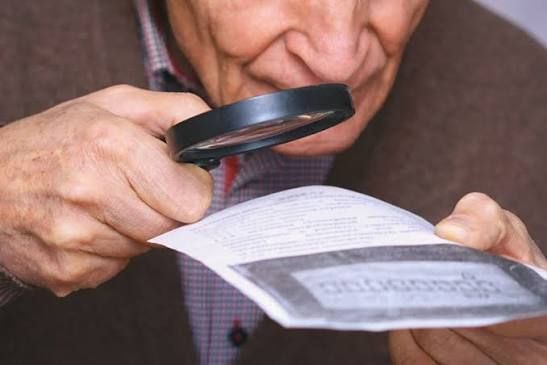
Your Vision. Your Goals. Your Personalized Solution.
During your low vision evaluation, we consider:
- Your specific eye condition and remaining vision
- Your daily activities and lifestyle goals
- Your home and work environment
- The tasks that have become difficult
Together, we identify the right tools and strategies to help you maximize your visual abilities.

More Than Devices: Training Makes the Difference
A low vision device is only helpful when you know how to use it confidently.
Our low vision rehabilitation approach includes:
✓ Device selection and customization
✓ Hands-on training
✓ Lighting and contrast recommendations
✓ Strategies for daily activities
✓ Guidance for adapting your environment
Our goal is not simply to provide a device — it is to help you use your vision more effectively in the moments that matter most.
Conditions Commonly Treated Through Low Vision Rehabilitation
Low vision services may benefit patients with:
- Macular degeneration
- Glaucoma
- Diabetic retinal disease
- Retinal dystrophies
- Retinal Detachment
- Stroke-related vision loss
- Optic nerve disorders
- Other causes of irreversible vision impairment

What to bring to your Low Vision Appt:
✅ Your current glasses
- Bring all pairs you use (distance glasses, reading glasses, sunglasses, computer glasses, etc.)
- Even older pairs can be helpful for comparison
✅ Your medications
- Bring a list of all medications, including eye drops, supplements, and vitamins
- If possible, bring the actual bottles
✅ Your medical records (if available)
- Recent eye exam notes
- Visual field tests, OCT scans, or imaging reports
- Records from your ophthalmologist or retina specialist
✅ Your questions and challenges
Think about what is hardest for you day-to-day:
- Reading mail, books, or medication labels
- Seeing faces
- Watching TV
- Cooking or using appliances
- Managing finances
- Using a phone or computer
- Driving or navigating safely
✅ Examples of things you have trouble seeing
Bring items that are difficult for you:
- A favorite book or newspaper
- Mail or bills
- Medication bottles
- Labels you struggle to read
- Crossword puzzles or hobbies you want to continue
✅ Your electronic devices
Bring the devices you use every day:
- Smartphone
- Tablet
- Laptop
- E-reader
Your low vision specialist can help customize settings, recommend apps, and demonstrate technology solutions.
✅ A family member, caregiver, or friend (if possible)
A second set of ears can help remember recommendations and provide insight into daily challenges.
✅Your insurance information and ID
Especially if this is your first visit.
Advanced Low Vision Devices & Technology
Wearable Artificial Intelligence Glasses
Meta Smart Glasses + AI Vision Technology
Wearable technology is opening new possibilities for individuals with vision loss. AI-powered glasses can assist with everyday tasks by providing information about surroundings, reading text, identifying objects, and supporting greater independence.
Potential uses include:
- Reading printed materials
- Recognizing objects
- Navigating daily environments
- Telling time
- Reading money
- Accessing information hands-free
Technology recommendations are individualized based on your vision needs and goals.

Eschenbach Low Vision Products
Precision Optics Designed for Everyday Tasks
Eschenbach has been a leader in low vision technology for decades, offering high-quality optical and electronic solutions designed to improve clarity and contrast.
Available options may include:
- Handheld illuminated magnifiers
- Telescopes and Microtelescopes
- High-powered reading systems
- Electronic magnification devices
- Specialized optical aids


OrCam Vision Technology
Artificial Intelligence to Support IndependenceMeta Smart Glasses + AI Vision Technology
OrCam devices use artificial intelligence and a small wearable camera to provide audio assistance for individuals with visual impairment.
Features may include:
- Reading printed text aloud
- Recognizing faces
- Telling date and time
- Identifying products and objects
- Assisting with everyday visual tasks
Smartphones, & Accessibility Tools
Making technology and lighting work for you.
Modern digital devices offer powerful accessibility features that can enhance remaining vision.
Apps for Vision Loss (click here):

Helping Patients See Possibilities Beyond Vision Loss
For more than 15 years, Dr. Lindsey Lear has been dedicated to helping patients with low vision maximize their remaining sight and maintain independence. Through comprehensive evaluations, personalized recommendations, and a deep understanding of the challenges that come with vision loss, Dr. Lear helps patients discover solutions that allow them to continue doing the activities that matter most.
Her passion for low vision care comes from seeing the profound impact the right tools and strategies can have on a person’s daily life — whether that means reading a book again, recognizing a loved one’s face, managing medications, enjoying hobbies, or navigating the world with greater confidence.
Dr. Lear works closely with each patient to understand their individual goals and match them with the most appropriate combination of optical aids, electronic devices, and adaptive technologies, including advanced solutions such as Eschenbach magnifiers, OrCam devices, AI-powered wearable technology, digital magnification systems, and accessibility tools for smartphones and tablets.
Low vision does not mean giving up the things you love. With the right support, technology, and training, patients can learn new ways to see and stay connected to the world around them.


"Our goal is to help a patient maintain his/her independence with things they enjoy doing to optimize quality of life," says Dr. Lear. "It can also relieve caregiver burden and reliance on family and friends. We invite you to bring relevant items from your home and equipment to the office to test with the various devices and see what works best with your goals. Bring your bills, mail, cards, medicine bottles, or any hobby items or collectables! Bring your family members, too! They are part of this adjustment/education process as much as the patient."
